Clear Braces: What Makes a Good Candidate?
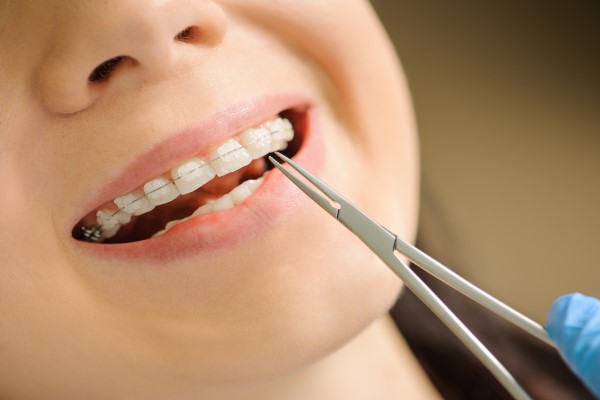
Clear braces offer a more discreet way to straighten teeth while still delivering the consistent control of bracket-and-wire orthodontics. Many patients like that the brackets blend into the smile, which can feel more comfortable for photos, school, and professional settings. Even with a subtle look, treatment still follows a detailed plan to improve alignment and bite function.
How clear braces work
Clear braces use tooth-colored or ceramic brackets that attach to the front of the teeth and connect with a thin wire. This wire applies gentle pressure, guiding teeth into healthier positions over time. Since the system remains fixed in place, it does not depend on remembering to wear trays each day. That consistency makes clear braces a strong option for many teens and adults who want a lower-visibility approach.
Strong candidates for clear braces
A good candidate usually has goals that match what braces correct best: crooked teeth, gaps, and bite problems such as crowding or spacing. Mild to moderate alignment concerns often respond very well, and many more complex cases can also be treated depending on the bite and jaw relationship. During an exam, an orthodontist evaluates spacing, tooth shape, gum health, and the way upper and lower teeth fit together. That full evaluation helps determine whether clear braces provide the right balance of appearance, strength, and control.
Lifestyle also matters. Ceramic brackets can stain if oral hygiene slips, and some foods can increase plaque retention around them. Patients who maintain regular brushing and flossing habits tend to keep a cleaner, brighter look throughout treatment. A predictable visit schedule also supports timely wire changes and steady corrections.
When clear braces may not be the best fit
Some patients benefit more from a more traditional option because of durability needs or treatment complexity. Ceramic brackets are strong, but they can chip more easily than metal brackets, especially for patients who clench or grind or play contact sports without consistent protection (e.g., mouthguards). Additionally, orthodontists can often treat certain severe bite problems with clear braces, but a different system may offer better mechanics or shorter treatment time, depending on the plan. They can explain the tradeoffs clearly so the choice supports both aesthetics and outcome.
What improves success during treatment
Ideal candidates will also understand that daily habits have a direct impact on comfort, appearance, and efficiency. These habits range from consistent oral hygiene to smart food choices that reduce plaque buildup and keep brackets looking clear. Other common ways to protect results with clear braces include:
- Brushing after meals when possible and cleaning carefully around brackets and the gumline
- Using floss threaders or a water flosser to keep plaque from collecting between teeth
- Avoiding very sticky or hard foods that can loosen brackets or bend wires
- Wearing elastics exactly as prescribed when bite correction requires them
The goal is to keep treatment moving forward without interruptions from broken brackets or preventable irritation.
Ask an orthodontist if you are a candidate
Clear braces can be an excellent option for patients who want a lower-visibility treatment while still benefiting from the precise control of braces. The strongest candidates usually have healthy gums, a bite that can be corrected effectively with brackets and wires, and habits that support great oral hygiene throughout treatment. To determine your candidacy, contact our office to schedule a consultation.
Request an appointment here: https://smilewithintegrity.com or call Integrity Orthodontics at (770) 281-4418 for an appointment in our Marietta office.
Check out what others are saying about our dental services on Yelp: Clear Braces in Marietta, GA.
Related Posts
Invisalign® for teens is a discreet treatment that corrects mild and moderate orthodontic issues. Clear braces are an aesthetic upgrade to the metallic look of traditional braces. This quality is the same reason that adults choose Invisalign to straighten their teeth. Like image-conscious teens, adults who would otherwise forego orthodontic treatment can improve their smile…
Ceramic brackets are a popular choice for patients who want the effectiveness of traditional braces without the full metal look. The natural color of ceramic brackets makes them a subtler option for people who want their orthodontic treatment to be less noticeable. However, appearance is only part of the decision. Ceramic braces work best in…
Invisalign delivers optimal results when patients wear the aligners consistently every day. While the trays may seem simple to use, treatment success depends on following the recommended schedule. As an orthodontist, one of the most common questions we receive is, “How many hours should I wear my aligners each day?” and “What happens if I…
Braces for Adults can improve tooth alignment, bite function, and appearance, helping patients achieve a healthier, more balanced smile. Contrary to popular belief, orthodontic treatment is not only for children and teens, since teeth can shift at any stage of adulthood. However, to determine whether braces are the right option for you, we strongly encourage…